Period: Carcavelos, from 19453 min readPublished:
Paula Rego Painted the School Hall in Flames at Eleven
The future painter Paula Rego started at St Julian’s School in Carcavelos in 1945. Her art teacher handed her the whole school hall. Her mother was less generous with the living room.
Paula Rego arrived at St Julian’s, the English school at Carcavelos outside Lisbon, in 1945, aged ten. She later told the story of her schooldays for the Web of Stories archive, and it contains one of the best art lessons on record.
Before St Julian’s she had been taught at home: good English from one tutor, and arithmetic from another whom she did not miss. St Julian’s after the war was full of children from everywhere. It was mixed, and sporty, and had Chaucer. Science never stuck. Art did.
One of her art teachers believed children should be let loose on large surfaces, and one day he pointed at the school hall and told her to decorate the whole thing.
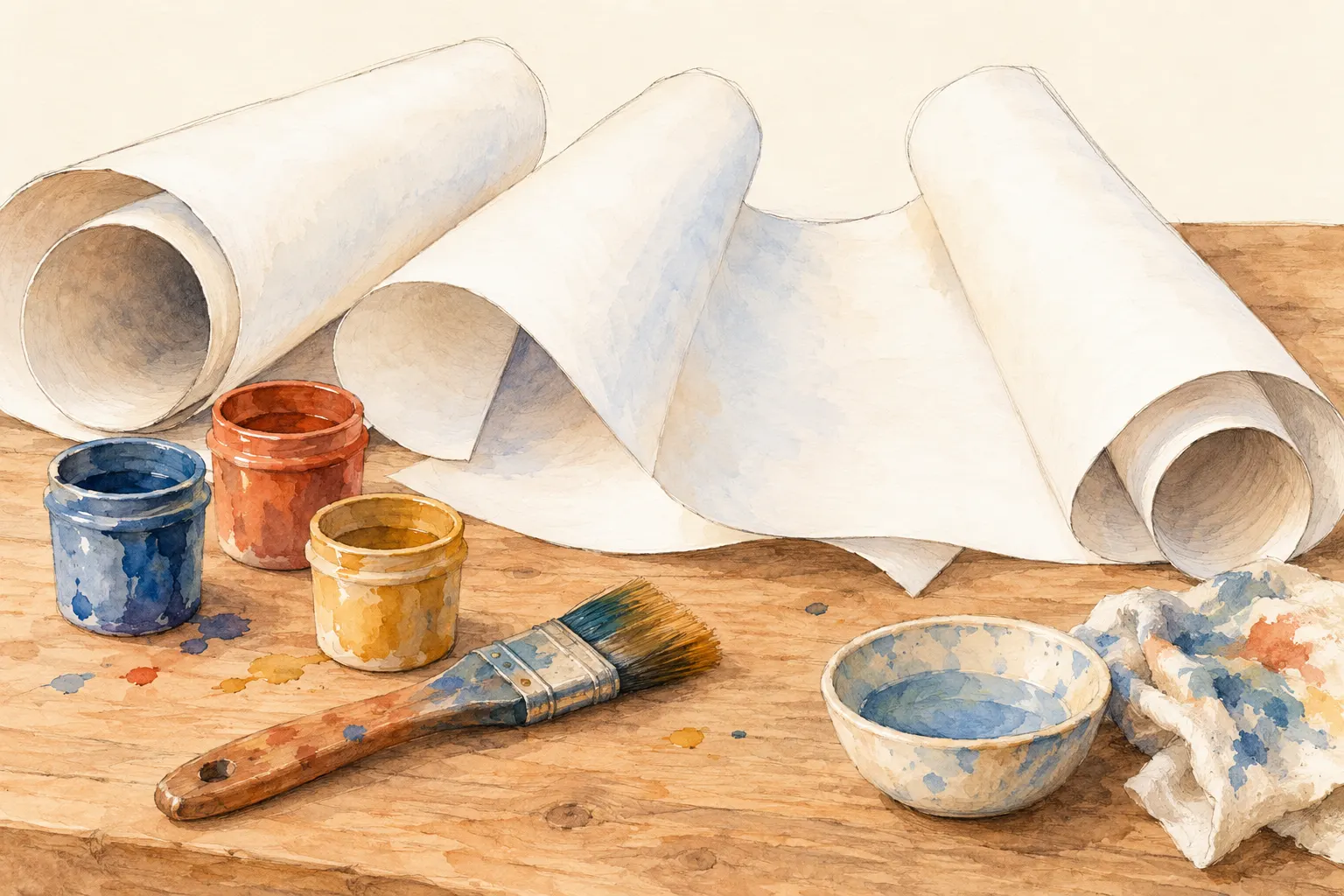
Enormous rolls of paper were unrolled along the floor. She knelt at one end with poster paint, and what she painted was a Greek massacre, spears and horses and people falling, and a city in flames.
The hall had been expecting daisies.
The paper went up on the walls. Nobody, as she remembered it, made a great fuss about talent. They simply let her paint, and kept letting her.
Then the painting followed her home. Her mother ran charity bazaars, and as a teenager Paula decorated the hotel rooms for them with large cut-out animals. That was approved. Then one day her parents came home to find the animals had moved into their own living room, all over the walls. Her mother stood in the doorway and said, in effect, that they would have to come down.
They came down. She burned them in the garden.
The school hall could take a city in flames. The living room could not take a giraffe.
I am currently on the mother’s side of this story and not proud of it. The middle one, inspired by a school project on murals, asked permission to “do a small thing” on her bedroom wall. I said yes, on the assumption that a small thing was small.
It is a whale. It is life-size, or as near as a bedroom in Brussels allows. Its tail goes round the corner and over the door, and its eye watches me when I bring in the laundry.
I stood in the doorway for some time. I opened my mouth to say it would have to be painted over. Then I remembered how the Carcavelos story ends, with a living room full of animals burning in a garden, and a girl who became one of the great painters of her century.
The whale stays. Our landlord has not been told. If he asks, I will say it was a school project, in a sense, and that the hall had been expecting daisies.
About this story: the scenes and dialogue are imagined or freely retold. Facts about the schools mentioned come from published sources, which our school profiles cite.